 CargandoCargando
Tokio no tiene un centro: tiene una docena. Shibuya, Shinjuku, Asakusa o Ginza funcionan como ciudades enteras, y el metro los une tan bien que la tentación es saltar de uno a otro todo el día. Lo que cansa aquí no es andar, son los transbordos. Por eso va repartido por zonas: un barrio grande por la mañana y el de al lado por la tarde.
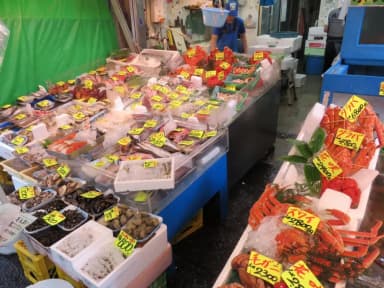 Tokyo in one dayBreakfast at the fish market as it opens, the old temple empty before eight and the shrine forest mid-morning. By noon you go back to bed, and you haven't queued for a single thing.1 day· 3 stops
 Tokyo in four daysThe traditional east on day one, the noisy west on day two, the strange side on day three and day four out of town, to see whether Fuji shows itself. All by metro, card in hand.4 days· 9 stops
 Tokyo in 6 days, one district a dayYou don't cross Tokyo, you visit it district by district, and each is a city: Shibuya with the Meiji shrine beside it, a forest in the middle of everything; all of Shinjuku; Asakusa with the Senso-ji and the Skytree opposite; Ueno and Akihabara, two stops apart; Toyosu market, with the tuna auction at five in the morning; and the last day out to Mount Fuji.6 days· 9 stops
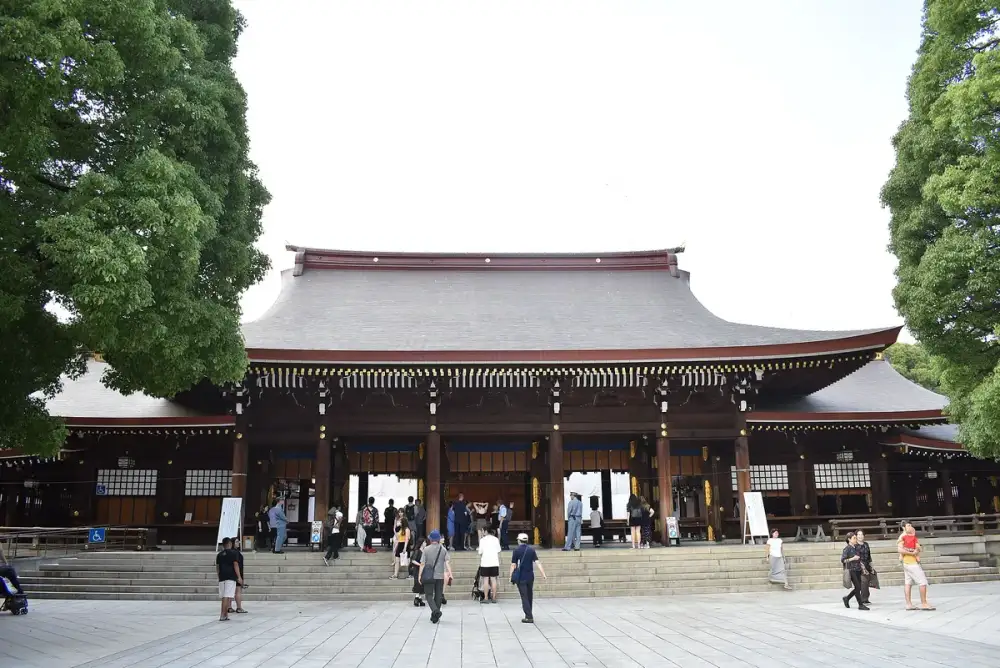
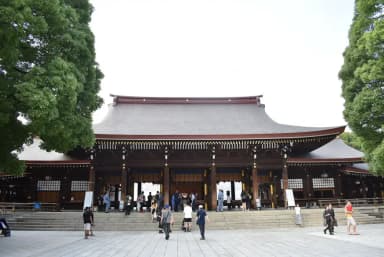 Shrine
Meiji Shrine
MarketsTsukiji outer market
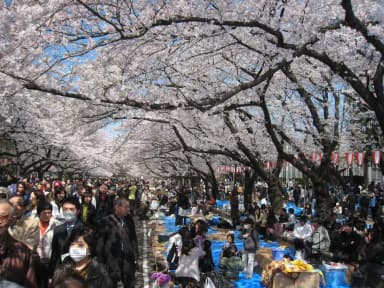 Park
ParkUeno Park
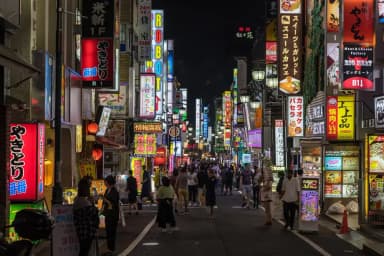 Neighbourhood
Shinjuku after dark
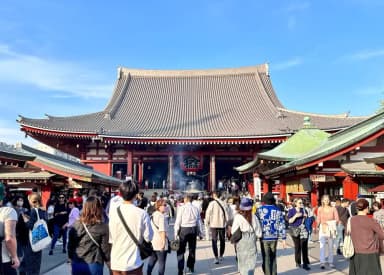
TempleSensō-ji Temple
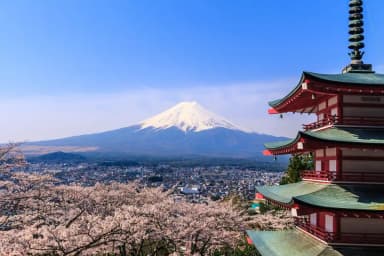 Nature
Mount Fuji
on 1 trip
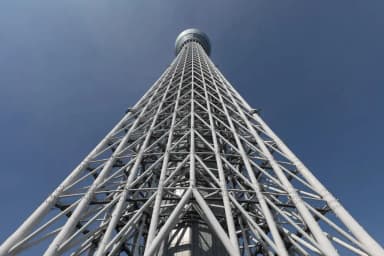 Viewpoint
Tokyo Skytree
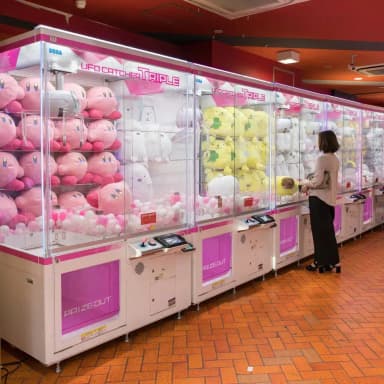 Culture
Akihabara
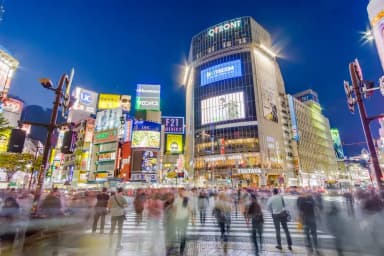
NeighbourhoodShibuya and its crossing
on 1 trip
💡The best cheap food is in places that look intimidating from outside
A basement with six seats and a ticket machine by the door is usually better than a pretty restaurant. Many have plastic models of the dishes in the window: pointing works perfectly well.
💡Get a Suica or Pasmo card the moment you land
It works on every metro line, the trains, the buses and even for paying in convenience stores. You can load it onto your phone. Without one, each journey means working out the fare on a machine in Japanese.
💡The cherry blossom lasts ten days and nobody knows when
It falls between late March and early April, but is only announced about a week ahead. If that's why you're going, go flexible. August is humid and stifling; October and November are the best months.
💡Carry cash: plenty of good places don't take cards
Small restaurants, temples and many markets are cash only. The ATMs that accept foreign cards are inside 7-Eleven stores, of which there is one every two streets, open at any hour.
💡No phone calls on the metro and no eating in the street
Those are the two rules people notice most when you break them. Tipping isn't done either, and can offend, and nobody crosses on red even with no car in sight. No one will say anything to you, which is exactly why it's worth watching.
💡Do not throw away the train ticket until you are out of the station
At many stations you need it to open the exit barriers.
💡Do not stop at Tokyo
Kanazawa, Takayama or Koyasan tend to surprise people more than they expect.
💡Always carry a little bag for your rubbish
There are very few bins in the street.
¿Vas a Tokyo?
Guarda estos sitios, conviertelos en un viaje y encuentra con quien hacerlo.
Crear cuenta gratis