 CargandoCargando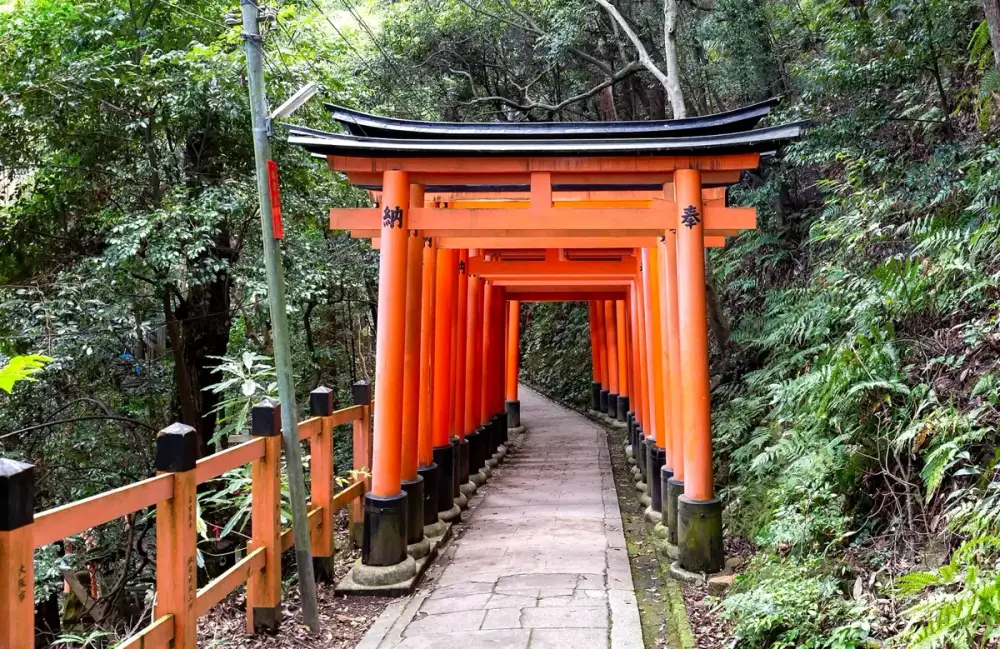
The three essentials with a day each: Fushimi Inari at seven in the morning, because by ten there are ten thousand people between the torii; the Golden Pavilion and Nijo Castle; and Kiyomizu walking down to Gion at dusk, which is when the geisha go out to work.
Tap a point to see which one it is and how to get there.
A suggestion, not a rule: once you create the trip you can split it up however you like.
4.3 km hasta la siguiente
3.3 km hasta la siguiente
23 min on foot hasta la siguiente
7 min on foot hasta la siguiente
💡In Gion there are alleys where photography is banned
They are private streets, with signs and fines, and it has been enforced seriously in recent years because things got out of hand. Do not chase a maiko down the street for a photo: she is on her way to work. On the main streets you can photograph freely.
💡Kyoto works by bus, but not at rush hour
The bus network reaches where the train does not and is the normal way to get around, but by mid-morning the tourist-line buses are full and painfully slow. Use the train for anywhere far and keep the bus for short hops. You pay as you get off, and it helps to have coins.
💡Fushimi Inari, at dawn or at night
It is always open and free, so there is no reason at all to go when everyone else does. At seven in the morning the torii are empty and the light comes in sideways. At night it is lit and has a different feel, though the climb feels longer.
TravelMatch finds you compatible travel companions: same dates, same pace, verified profiles. Save this itinerary and find someone to do it with.