 CargandoCargando
La Palma es la isla verde de Canarias y la de los cielos más limpios. Tiene senderos entre bosques de laurisilva, la Caldera de Taburiente y un observatorio astronómico en lo alto, así que aquí se viene más a caminar y a mirar estrellas que a tumbarse en la playa. Las distancias son cortas en el mapa, pero las carreteras tienen muchas curvas.
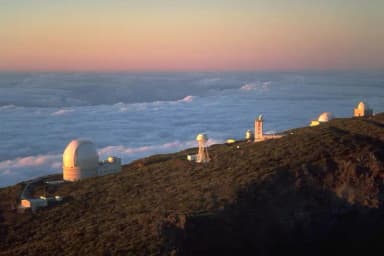
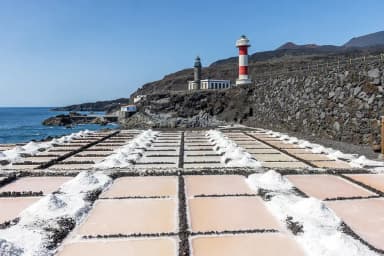 La Palma in two daysOne day up high: Roque de los Muchachos in the morning, when the sea of clouds is clean, then down to Santa Cruz in the afternoon. The second, the south: the Fuencaliente salt pans and the Tajogaite volcano. Two days give you the summit and the coast, but not the Caldera.2 days· 4 stops
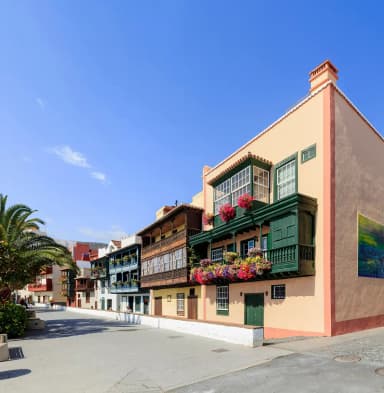 La Palma in 3 daysSanta Cruz and Playa de Nogales to land softly, a day up top between the Roque de los Muchachos and the Caldera de Taburiente, and the last one in the volcanic south: the San Antonio crater and the Fuencaliente salt pans.3 days· 6 stops
 La Palma in four daysAdd to the first two a whole day for the Caldera de Taburiente, which eats the day and asks for legs, and another in the north-east: the Los Tilos laurel forest in the morning and Charco Azul in the afternoon, which is where you recover from the Caldera.4 days· 7 stops
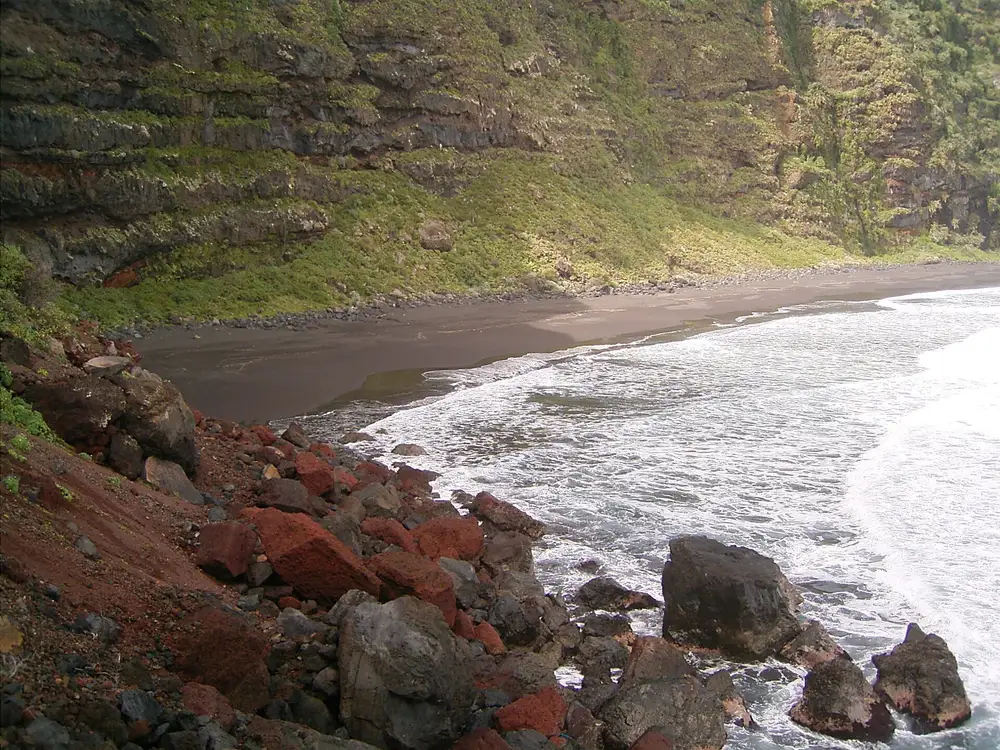
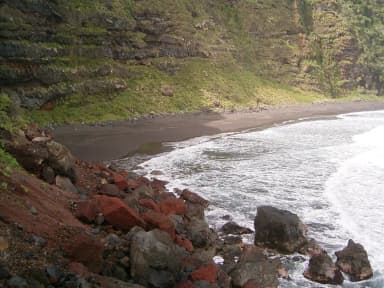 La Palma in 6 daysThe whole island, one landscape a day: the capital and the black beach, the observatory, the caldera, the Los Tilos laurel forest with a swim at Charco Azul, the Tajogaite lava field and the volcanic south to finish.6 days· 9 stopsPlaya de Nogales
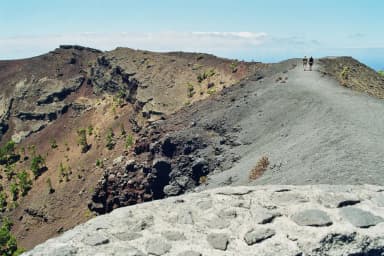 San Antonio volcano
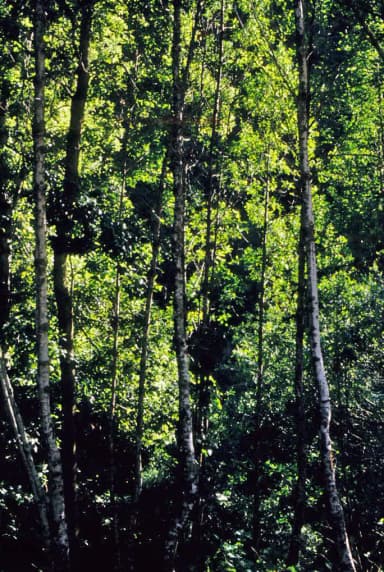 Los Tilos forestSanta Cruz de La Palma
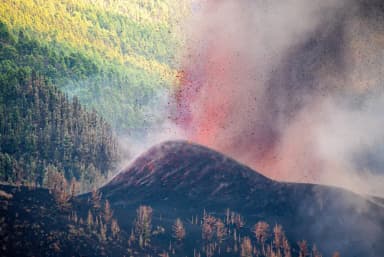 The Tajogaite volcano
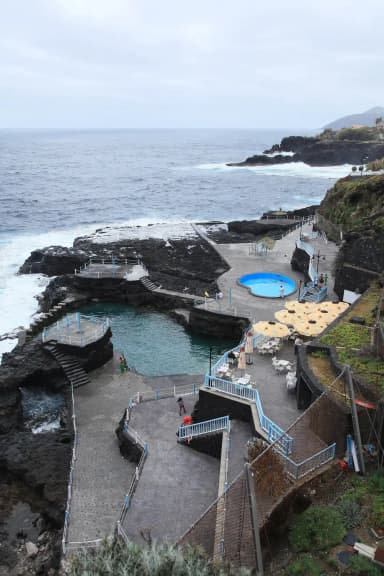 Charco Azul
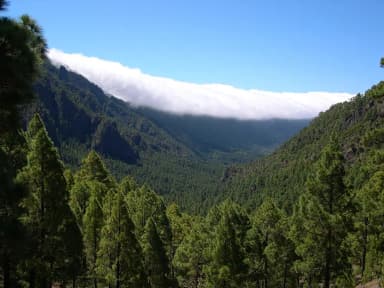 La Caldera de TaburienteRoque de los MuchachosThe Fuencaliente salt pans
💡The island is small and the drives are long
It is forty-seven kilometres end to end, but almost all of it is bends and changes of altitude: from sea level to the 2,400 metres of the Roque in a long hour. Double whatever the sat-nav says, and do not put the summit and the south on the same day. And it can be foggy up top with sun below, or the other way round.
💡It is a Starlight Reserve, and it shows
La Palma was the first place in the world to earn that certification, and a 1988 Canary law regulates lighting across the whole island so as not to spoil the sky. The result is that from any road up on the ridge, with no telescope at all, you see the entire Milky Way. Check the moon phase before picking your night: with a full moon you see almost nothing.
¿Vas a La Palma?
Guarda estos sitios, conviertelos en un viaje y encuentra con quien hacerlo.
Crear cuenta gratis