 CargandoCargando
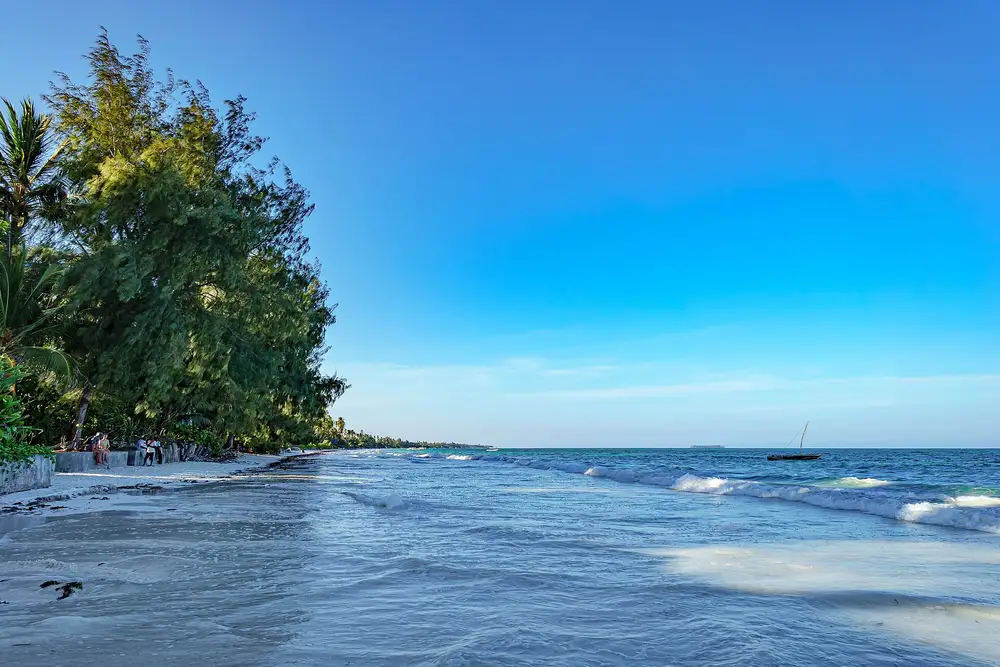
Zanzíbar es una isla pequeña con una historia desproporcionada. Fue la capital de un sultanato de Omán, el mayor puerto de esclavos de África oriental y el sitio que producía la mayor parte del clavo del mundo, y todo eso cabe en una piedra de coral que se cruza en coche en dos horas. Casi todo el mundo viene por las playas, y hacen bien: la arena es blanca de verdad y el agua tiene ese turquesa que parece retocado. Pero conviene saber dos cosas antes de reservar. Una, que en la costa este la marea se retira cientos de metros y hay horas a las que no se puede nadar; en el norte, en Nungwi, no pasa. Y dos, que Stone Town merece más de la mañana que suele dedicársele. Lo que no espera nadie es el resto: un mono que no existe en ningún otro sitio del planeta, unas granjas de algas que sostienen a miles de mujeres, y una mezquita con una fecha tallada de 1107.
 Zanzibar in 3 days, one baseThree days out of the same room in Stone Town, which is what makes them fit: the first getting lost in the alleys and looking at doors, the second with the tortoise island in the morning and the Forodhani night market at dusk, and the third to Jozani forest for the monkey that exists nowhere else on earth.3 days· 6 stops
 Zanzibar in 5 days, the town and the northTwo days for Stone Town without rushing, a third crossing the island through Jozani forest, and the last two in Nungwi, the one coast where you can swim at any hour because the tide doesn't take the water away. You change rooms only once, and the tortoise island falls on the way back, already heading for the airport.5 days· 8 stops
 Zanzibar in 8 days, the whole islandThree bases and no day lost on the road: Stone Town first, because it's the tiring part and it wants fresh legs; then the east coast, with the tides at Paje, the seaweed farms of Jambiani and the 1107 mosque at Kizimkazi; and the north for the end, when you've had enough of plans and just want water at any hour.8 days· 11 stops
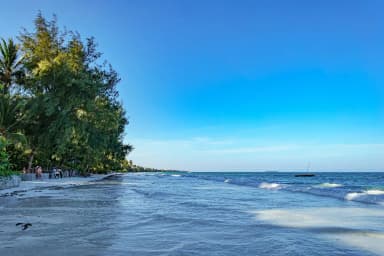 Nungwi
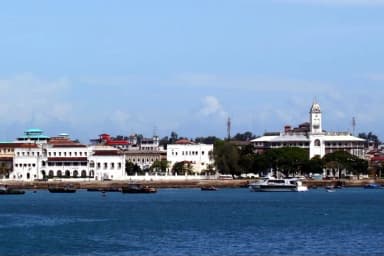
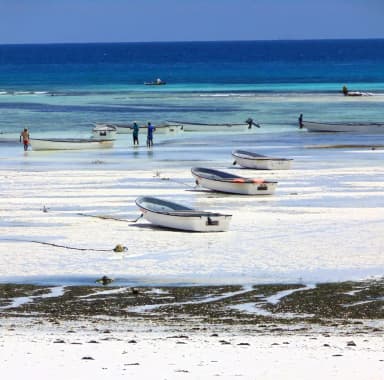 KizimkaziStone Town
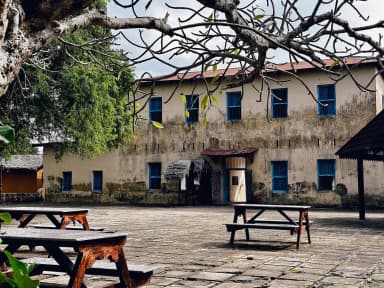 Changuu Island
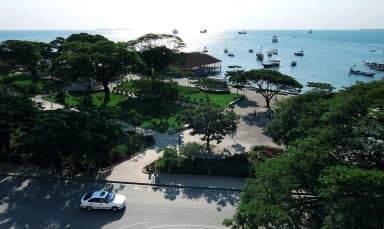
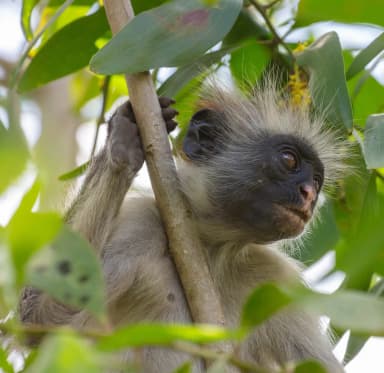 The Zanzibar red colobusForodhani Gardens
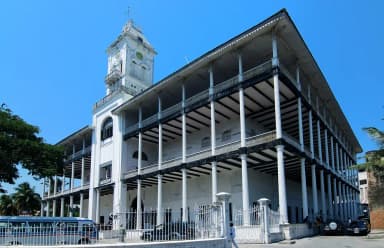 The House of Wonders
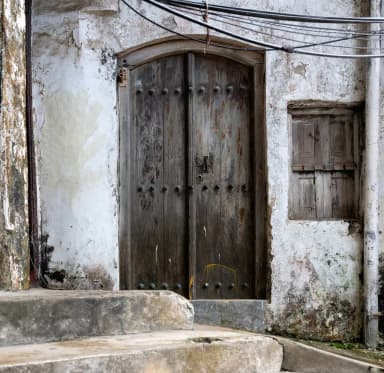
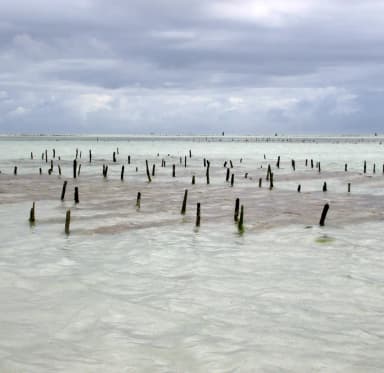 The seaweed farmsThe carved doors
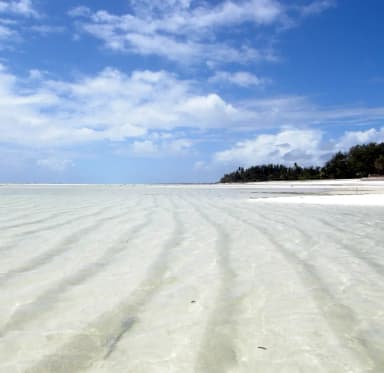 Paje
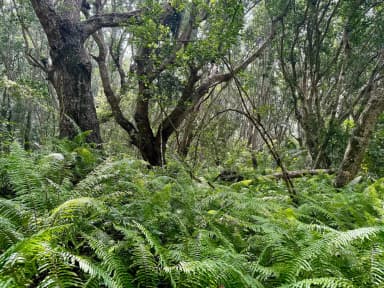 Jozani Forest
💡En la costa este la marea se lleva el mar
En Paje, Jambiani o Bwejuu la bajamar deja cientos de metros de arena y no se puede nadar durante horas. No es un defecto, es como funciona: la gente sale a caminar por el banco. Si quieres bañarte a cualquier hora, el norte ---Nungwi y Kendwa--- casi no tiene marea.
💡Zanzíbar es musulmana y fuera de la playa se viste
En Stone Town y en los pueblos conviene cubrir hombros y rodillas; en la playa y dentro de los hoteles no hace falta. En Ramadán muchos sitios cierran de día y comer o beber por la calle está mal visto. Es un detalle pequeño que cambia por completo cómo te tratan.
💡Tips for the guide and the cook are budgeted in advance
In practice they are not optional: they are part of the pay, and operators usually give a range per day per person. On Kilimanjaro there are recommended rates for porters, guides and cooks. Bring cash in dollars or shillings, in small notes.
💡A safari costs what it costs, and the fees are the expensive part
Park fees are high and set by the government: in Ngorongoro you also pay per vehicle and for descending into the crater. That is why everyone goes with an operator in a shared 4x4. Compare several and always ask what is included: most of the price is fees.
💡Zanzibar is Muslim: the swimsuit stays on the beach
In Stone Town and in the villages, cover shoulders and knees. On the hotel beach nobody minds, but the moment you step outside, they do. And during Ramadan, do not eat or drink in the street by day: not illegal, just rude.
¿Vas a Zanzíbar?
Guarda estos sitios, conviertelos en un viaje y encuentra con quien hacerlo.
Crear cuenta gratis